Investment
Rental Properties in Montreal and Laval
Buying an income property is a decision. Managing one is a practice governed by statute, article by article. In …
Investment
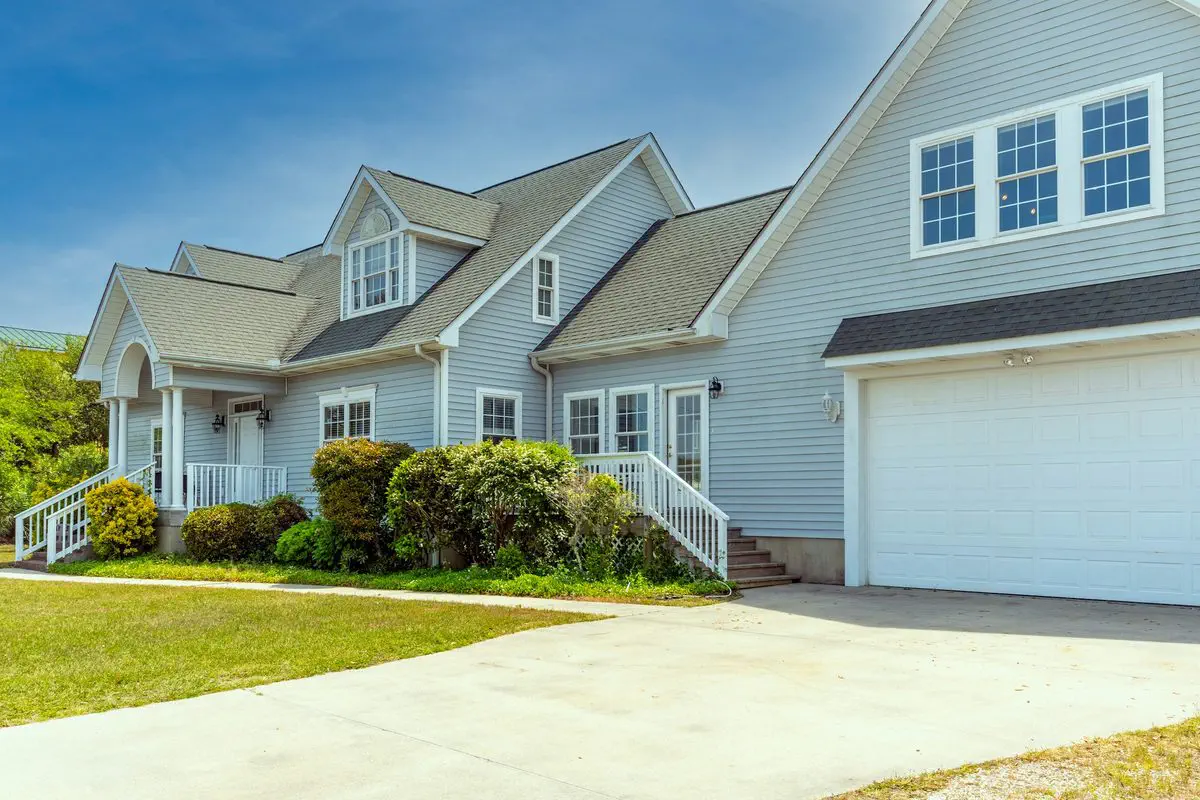
A plex is two purchases in one: a home for you and a small rental business. It is neither a shortcut to wealth nor a trap reserved for experts. It works when you run the numbers honestly and learn Quebec’s rules before you sign.
General information, not legal, tax or financial advice: check your case with your lender, notary and accountant.
For a first-time buyer, an income property is almost always a plex of 2 to 4 units. From 5 units, financing becomes commercial.
Owner-occupant: you live in one unit, the rents cover part of your costs and financing is easier to get. Pure investment: you do not live there, the numbers must stand alone and financing is stricter. For a beginner, living there is usually the realistic way in. I compare it with a condo in triplex vs condo in Montreal.
According to CMHC, putting less than 20% down requires you to live in one unit of a 1 to 4 unit building priced under $1,500,000.
| Situation | Minimum down payment |
|---|---|
| Owner-occupied duplex | 5% of the first $500,000, 10% on the rest |
| Owner-occupied triplex or fourplex | 10% |
| 2 to 4 unit plex you do not live in | 20% |
Below 20% down, the insurance premium is added to your loan, but the 9% tax on it is paid in cash at the notary. Revenu Québec has announced that this rate will rise to 9.975% for premiums paid after December 31, 2026.
For an owner-occupied building, CMHC lets you add up to 100% of a duplex’s gross rents to your income and, for a triplex or fourplex, up to 50% of gross rents or the net rental income. Each lender has its own policy: get pre-qualified on the actual building.
Here is the method, with round numbers made up for the example, not market rents or prices. A triplex: you live in one unit, two are rented.
| Item | Per year |
|---|---|
| Gross rents: 2 units at $1,500 a month | $36,000 |
| Less: vacancy and unpaid rent (5% assumption) | $1,800 |
| Less: municipal and school taxes | $6,000 |
| Less: building insurance | $2,400 |
| Less: maintenance reserve | $4,800 |
| Less: heating and electricity paid by the owner | $1,800 |
| Net income before mortgage | $19,200 |
| Less: mortgage payments ($2,600 a month) | $31,200 |
| Gap you pay out of pocket | $12,000, or $1,000 a month |
Here, your own unit costs $1,000 a month, part of which pays down principal: compare it with the rent you pay today. For a pure investment, run it with every unit rented: a negative gap means you subsidize the building.
Then replace every figure with a real one: leases, tax bills, an insurance quote, energy bills and the payment from the mortgage calculator. Also budget for the welcome tax on the whole building.
In Quebec, tenants have the right to stay as long as they meet their obligations, and the lease renews automatically.
For a 12-month lease, a rent increase notice goes out in writing 3 to 6 months before the lease ends. The tenant has one month to answer, and silence counts as acceptance. If they refuse, you have one month to ask the Tribunal administratif du logement (TAL), Quebec’s rental housing tribunal, to set the rent. Otherwise the lease renews on the same terms.
Since January 1, 2026, the TAL has used a simplified method, with its own calculation tool. The base is Quebec’s average CPI over three years: 3.1% for leases starting between April 2, 2026 and April 1, 2027. On top of that come the share of tax and insurance increases above that base, and major work, recovered at 5% of its cost per year.
So a low rent does not catch up with the market in a year, even at turnover: a new tenant can have the rent set if they pay more than the lowest rent of the previous 12 months (section G of the lease).
The section F exception. In a building ready for occupancy for 5 years or less, the TAL does not set the rent, as long as section F of the lease says so. If the lease was signed, and the building was ready, after February 20, 2024, the lease must also state the maximum rent for those 5 years. Without these mentions, there is no exception.
The sale does not end the leases: you take them over as they are. Before you waive your conditions, get every lease, the latest modification notices, the rent roll (who pays for heating) and any open TAL files. Compare the rents declared with the leases and the actual deposits. Keep the invoices and tax bills: they will justify your increases.
If every unit is rented and you want to live there, you send the repossession notice yourself, after signing. Buy in March a plex whose leases end June 30, and it is too late for this year: tell your lender. Also notify each tenant in writing of the change of owner.
Have every unit inspected, not just the vacant one (the seller gives tenants 24 hours’ notice). My priorities:
See also when to do the inspection.
Rental income is taxable, federally (form T776) and in Quebec (TP-128). Capital cost allowance (CCA) is optional, applies to the building and not the land, and cannot create or increase a rental loss. When you sell, the CCA you claimed can be recaptured into your income.
According to the Canada Revenue Agency, the principal residence exemption only covers the part you live in: the gain on the rented part is taxable. See an accountant before the offer.
Tell your insurer the building is rented, and check your civil liability and loss of rent coverage. The law does not require your tenants to be insured, but the lease can.
Looking at a first plex, to live in or to rent out? Reach out and we will redo the math with the real leases and the real bills, before the offer.

Residential Real Estate Broker · RE/MAX DU CARTIER INC.
Contact GeorgesBuying an income property is a decision. Managing one is a practice governed by statute, article by article. In …
You buy the first building with your salary. You buy the second one with the rules. What makes a first plex …
When a seller wonders how long it will take, they are usually thinking about the gap between listing and accepted …