
Seller's Guide
Downsizing in Greater Montreal: A Guide
Selling the house where you raised your children is a financial decision and a life decision. It is often presented …
Seller's Guide
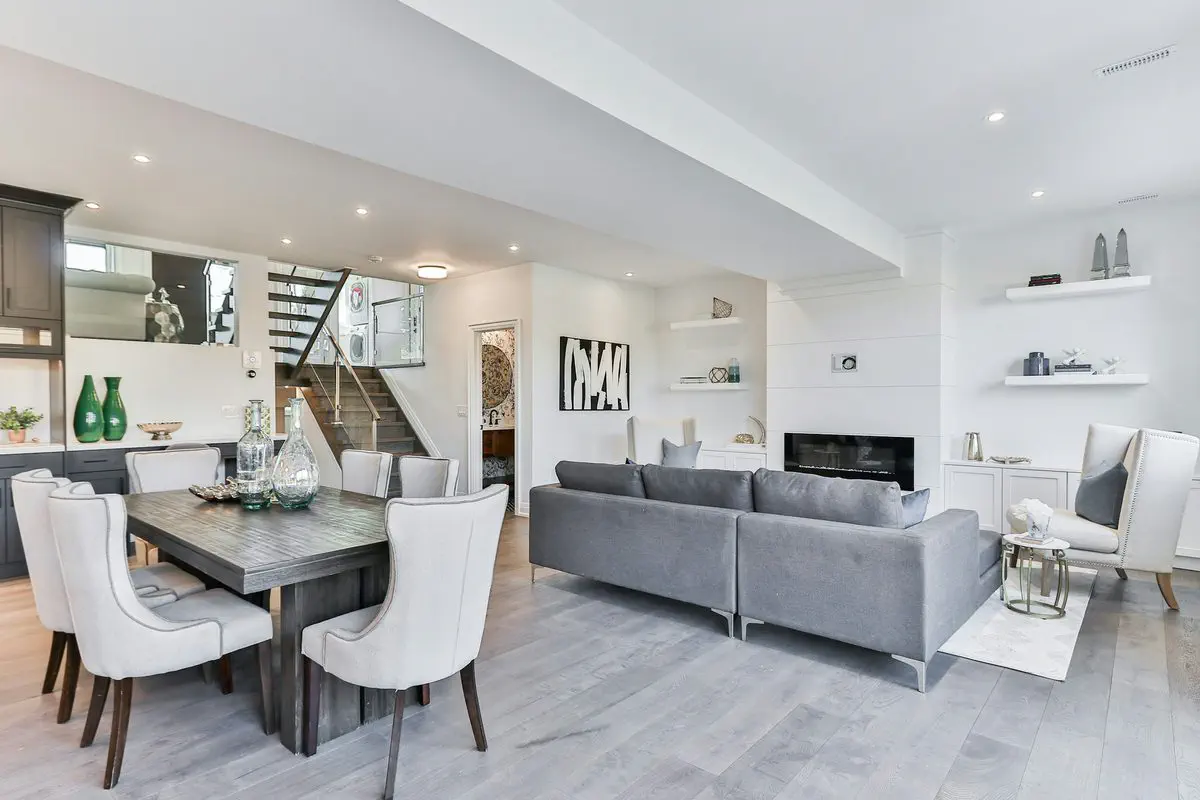
Preparing a property before listing it means two things at once. A presentation job, which everyone knows about. And a series of decisions governed by the Real Estate Brokerage Act and the Civil Code, which get far less attention. Yet it is the second part that exposes a seller. Here is the method, item by item, and the line that no amount of preparation allows you to cross.
A seller does not control the location, interest rates, the neighbourhood comparables or how many buyers are looking this month. Apart from the asking price, the real list is short: the visible condition of the property, the quality of its paperwork, the quality of the photos, the timing of the listing and how easy it is to visit. Short, but that is where the effort counts.
The context shows what is at stake. In the Montreal metropolitan area, in August 2026, the average selling time was 42 days for a single-family home, 52 days for a plex and 62 days for a condominium, according to Centris data published by the APCIQ on September 4, 2026. These are averages, and every property departs from them depending on its price, its area and its condition. For the rest of the timeline, see how long a sale takes.
Decluttering costs time more than money. It acts on three things a buyer assesses during a visit: the perceived size of the rooms, how easily a person moves through without walking around things, and storage capacity, which people judge by opening doors. A half-empty closet reads as large. The same closet, full, reads as too small.
In its seller’s guide, the OACIQ suggests reviewing the visual aspects of the property, outside and inside, and asks in particular whether any rooms are cluttered or overly personalized. It then suggests listing, on a preparation sheet, the work needed to showcase the home. The seller can do several of these jobs themselves, and more specialized renovations call for a professional. The OACIQ also notes that this work cannot guarantee a sale price that offsets its cost.
Deferred maintenance shows. A door that sticks, cracked caulking, a handle that spins freely, a detached gutter: none of these is serious, and that is exactly why they weigh. The buyer adds them up and draws a conclusion about everything else, including what they cannot see.
The part that is easiest to neglect is the paperwork. The OACIQ guideline on verification, information and advice provides that the seller gives the broker the documents supporting the declarations: invoices, warranties, plans, estimates, permits, reports, notices and leases. Preparing a property therefore also means building that file. A roof redone, with its invoice, is no longer a doubt, it is a dated fact. Before taking on heavier work, read why some renovations don’t add the value you expect. For the overall budget, see the real cost of selling. In its seller’s guide, the OACIQ even lists preparation costs (checking the systems, cleaning, painting, repairs and maintenance) as a separate line in its table of expenses to plan for.
Photos are the first contact, and they are regulated. Section 112 of the Regulation respecting brokerage requirements, professional conduct of brokers and advertising prohibits licence holders from making representations or engaging in advertising “that is false, misleading or incomplete or that leaves out a material fact”. In its advertising guideline, the OACIQ specifies that all advertising must be compliant, truthful, verifiable, complete, clear and understandable.
The same guideline deals with images generated by artificial intelligence. When such an image is used in an ad, the ad must carry a clear and visible statement, such as “Image generated by artificial intelligence”. The OACIQ specifies that this statement applies in particular to virtual staging, adding furniture and artificially changing a seasonal atmosphere or the lighting. It adds that images that fundamentally alter the actual appearance of a property violate the regulations and laws in force, and that brokers must never use AI to hide defects, alter the structure or misrepresent a property.
One mistake to avoid: going live too early. A property listed before the photos are ready and before the decluttering is done makes a poor impression at the very moment it is new on the market, and a first impression cannot be redone. The logical order is simple: documents, repairs, decluttering, photos, listing, showings. Not the other way around.
Here is the line. The Declarations by the seller of the immovable form (DS, Déclarations du vendeur sur l’immeuble) has been mandatory since July 2012 for the sale, by a natural person, of a chiefly residential immovable with fewer than 5 dwellings, including one held in undivided co-ownership. For a divided co-ownership, the DSD version applies. The form is a mandatory schedule to the brokerage contract, it must accompany every promise to purchase, it is sent to the mortgage lender and it is given to any inspector who asks for it.
The seller answers in good faith and to the best of their knowledge. They must also disclose what previous owners told them, not only what they noticed themselves, and notify their broker if new information comes up after signing. If the seller refuses to fill out and sign the form, the broker simply cannot enter into a brokerage contract with them.
One point deserves emphasis: having fixed a problem does not exempt it from disclosure. The OACIQ names water infiltration, sewer backup, cannabis growing, flooding, fire and infestation: repaired or not, it gets declared.
The Civil Code is precise. The seller warrants that the property is free of latent defects, and is not bound to warrant against an apparent defect, one that a prudent and diligent buyer can perceive without the need to resort to an expert, article 1726. If the seller was aware or could not have been unaware of the defect, they must, in addition to restoring the price, make reparation for the injury suffered by the buyer, article 1728. The seller may not exclude or limit their liability without disclosing the defects they were aware of or could not have been unaware of, article 1733, except where the buyer buys at their own risk from a seller who is not a professional seller. The parties may modify the legal warranty, but in no case may the seller exempt themselves from liability for their personal acts or omissions, article 1732. And fraud, which vitiates consent, may result from silence or concealment, article 1401.
The OACIQ gives a concrete example of a latent defect. Basement walls covered with Styrofoam, a seller who had declared never having had water infiltration, then, the spring after the purchase, water in the basement: behind the Styrofoam, a significant crack several years old. Repainting a wall is preparation. Covering a known crack without declaring it is something else.
Fill out the Seller’s Declarations with your broker and gather the supporting documents. Fix the deferred maintenance and declutter. Photograph, then go live. In that order, preparation improves what the buyer sees without ever touching what they have a right to know. For what comes next, see the pre-purchase inspection checklist and how to prepare your home for sale.
Preparing a sale and not sure what to fix, what to declare and in what order? Write to me, and we will build the plan before listing, not after.

Residential Real Estate Broker · RE/MAX DU CARTIER INC.
Contact GeorgesSelling the house where you raised your children is a financial decision and a life decision. It is often presented …

When a seller wonders how long it will take, they are usually thinking about the gap between listing and accepted …

The rate advertised in a bank window and the rate written into your contract are rarely the same number. Between …